A Simple Homeschool Schedule for Kindergarten, 1st, and 2nd Grade
One of the biggest questions homeschool parents ask is:
“What should our daily schedule actually look like?”
The truth is, young children do not need 6–7 hours of school at home. In fact, shorter, focused learning blocks are far more effective for Kindergarten, 1st grade, and 2nd grade.
If your homeschool days feel long, stressful, or unproductive, this simple schedule will help you create a calm, consistent rhythm that supports reading, literacy, and foundational math — without overwhelming you or your child.
How Long Should Homeschool Take for Early Grades?
- Kindergarten: 1.5–2 hours total
- 1st Grade: 2–3 hours total
- 2nd Grade: 3 hours total
Yes — that’s all.
The key is structure, not length.
A Simple Daily Homeschool Routine
This schedule works beautifully for young learners and can be adjusted to your family’s pace.
🕘 Morning Start (15 minutes)
- Prayer or devotional time
- Read a short Scripture or character story
- Talk about the day
This sets a peaceful tone and helps your child transition into learning.
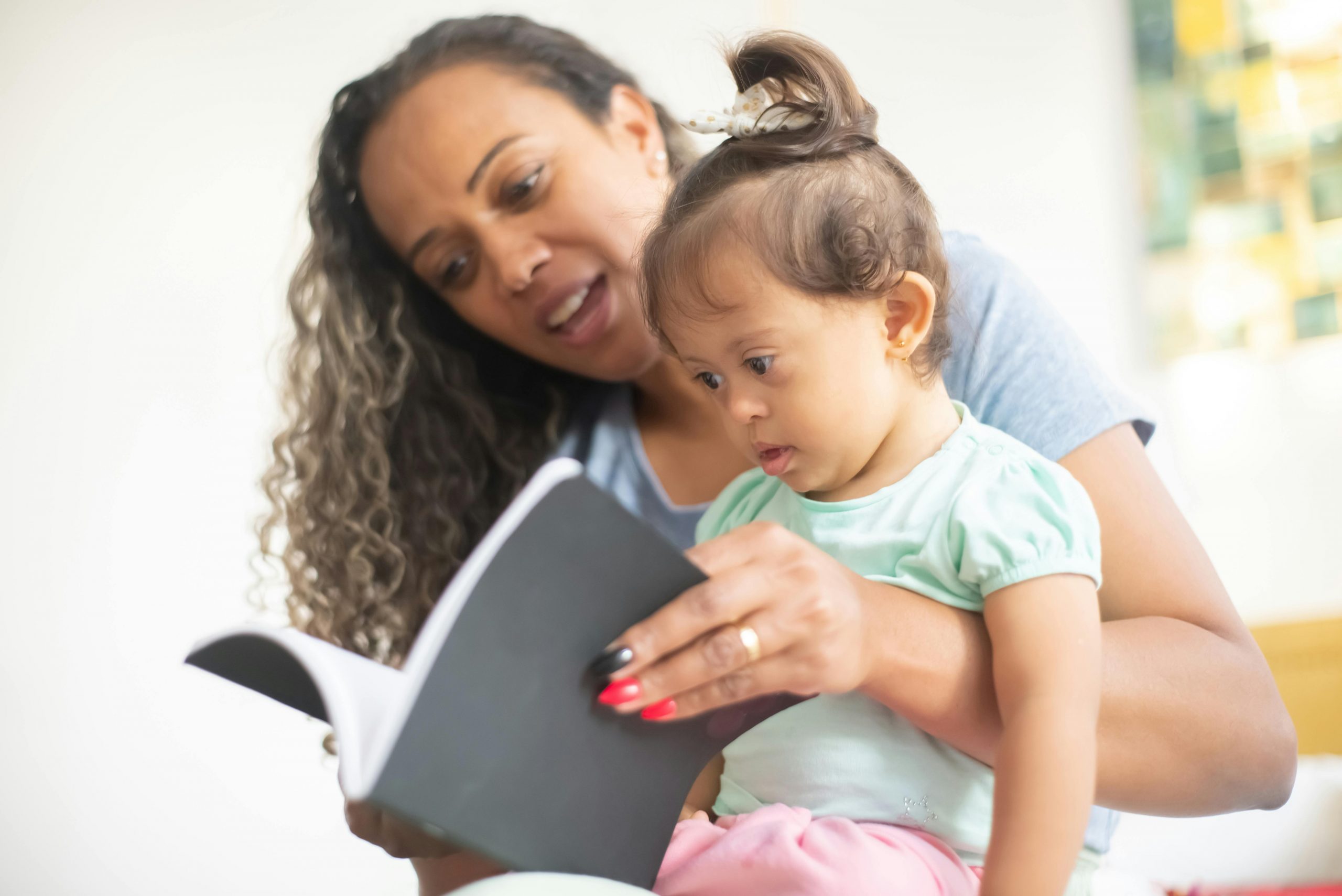
📚 Reading & Literacy Block (30–45 minutes)
This is an important part of your homeschool day.
Focus on:
- Letter sounds / phonics practice
- Sight words
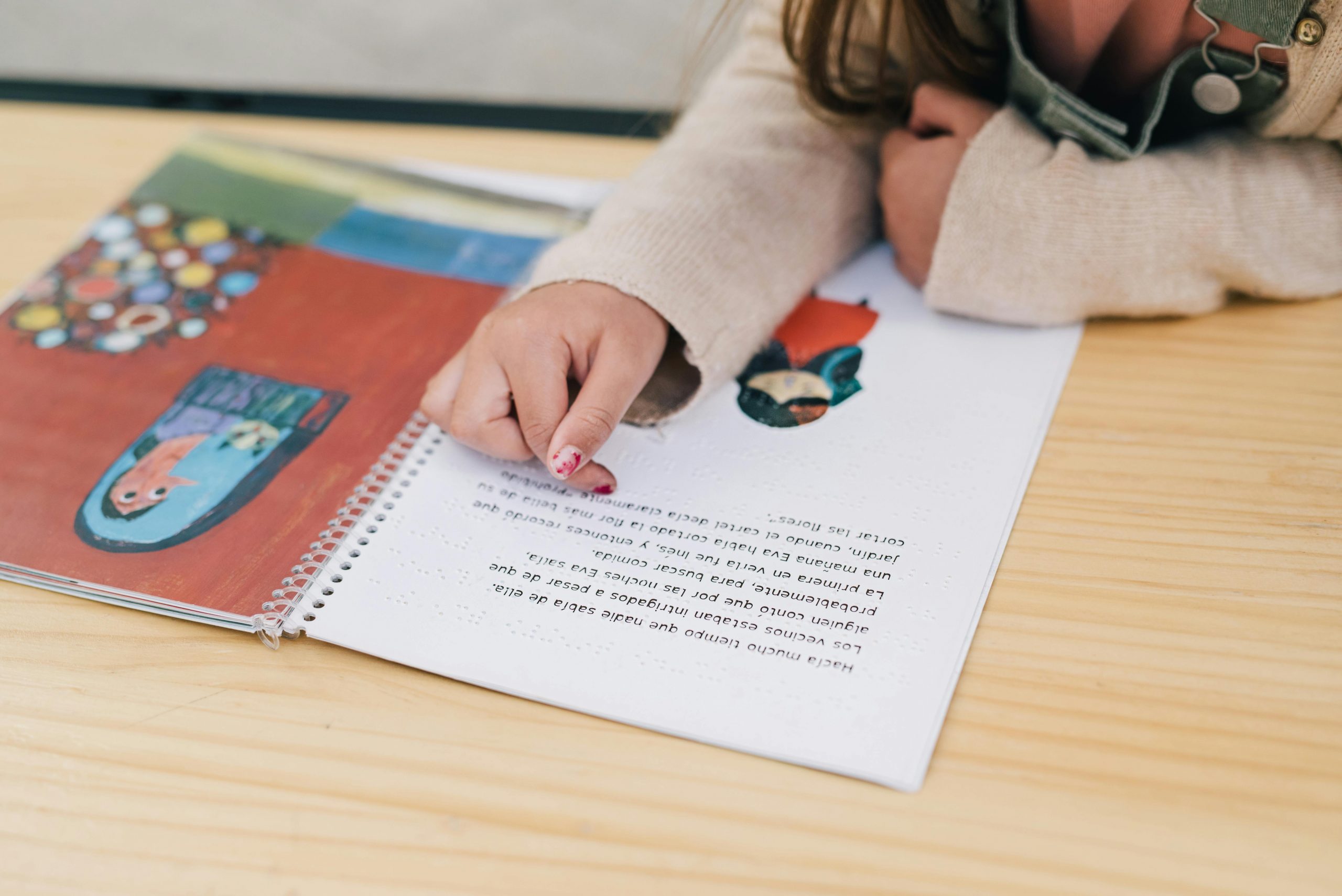
- Reading simple books
- Reading aloud together
For 1st and 2nd grade, add:
- Writing 1–3 sentences
- Reading comprehension questions
Tip: Do this early when your child’s mind is fresh.
✏️ Short Break (10–15 minutes)
Snack, stretch, play, or go outside.
Young children learn better after movement.
➕ Foundational Math Block (20–30 minutes)
Focus on:
- Counting
- Number recognition
- Addition and subtraction with objects
- Math games instead of worksheets
For 2nd grade:
- Word problems
- Mental math practice
🎨 Learning Through Play (30 minutes)
This is still school.
- Puzzles
- Drawing
- Building blocks
- Educational games
- Reading independently
Children in early grades learn best through play.
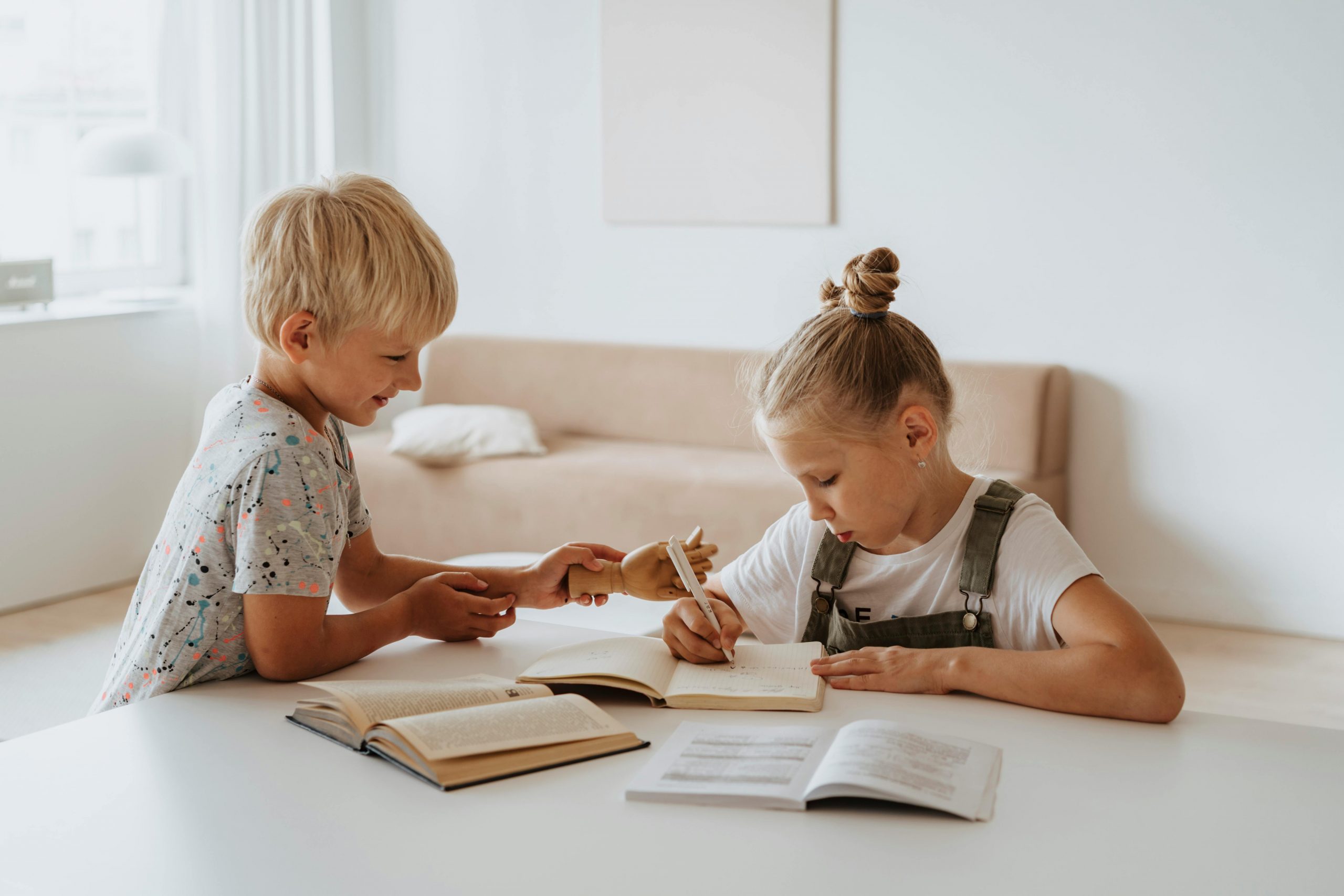
📝 Writing Practice (15–20 minutes)
For Kindergarten:
- Tracing letters
- Writing simple words
For 1st & 2nd Grade:
- Writing sentences
- Journaling
- Copywork from a book
🌿 Afternoon: Life Learning
You do not need formal lessons all day.
Afternoon learning can be:
- Helping cook (measuring = math)
- Reading together
- Nature walks
- Chores (responsibility and routine)
This is valuable education.
Sample Homeschool Timeline
| Time | Activity |
|---|---|
| 9:00 | Prayer & Devotional |
| 9:15 | Reading & Literacy |
| 10:00 | Break |
| 10:15 | Math |
| 10:45 | Learning Through Play |
| 11:15 | Writing Practice |
| Afternoon | Life learning & reading |
You are done before lunch.
Why This Schedule Works
This routine:
- Prevents burnout
- Prioritizes reading and math
- Gives structure without pressure
- Keeps learning enjoyable
- Works for multiple children
Consistency matters more than perfection.
Encouragement for Homeschool Parents
You do not need a complicated schedule to successfully homeschool your child.
What your child needs most is:
- Consistency
- Patience
- Encouragement
- Daily reading practice
Simple routines create confident learners.
Need Extra Support?
If you would like guidance helping your child grow in reading, literacy, or foundational math as you homeschool, learn more about tutoring with Olisa Kids™.