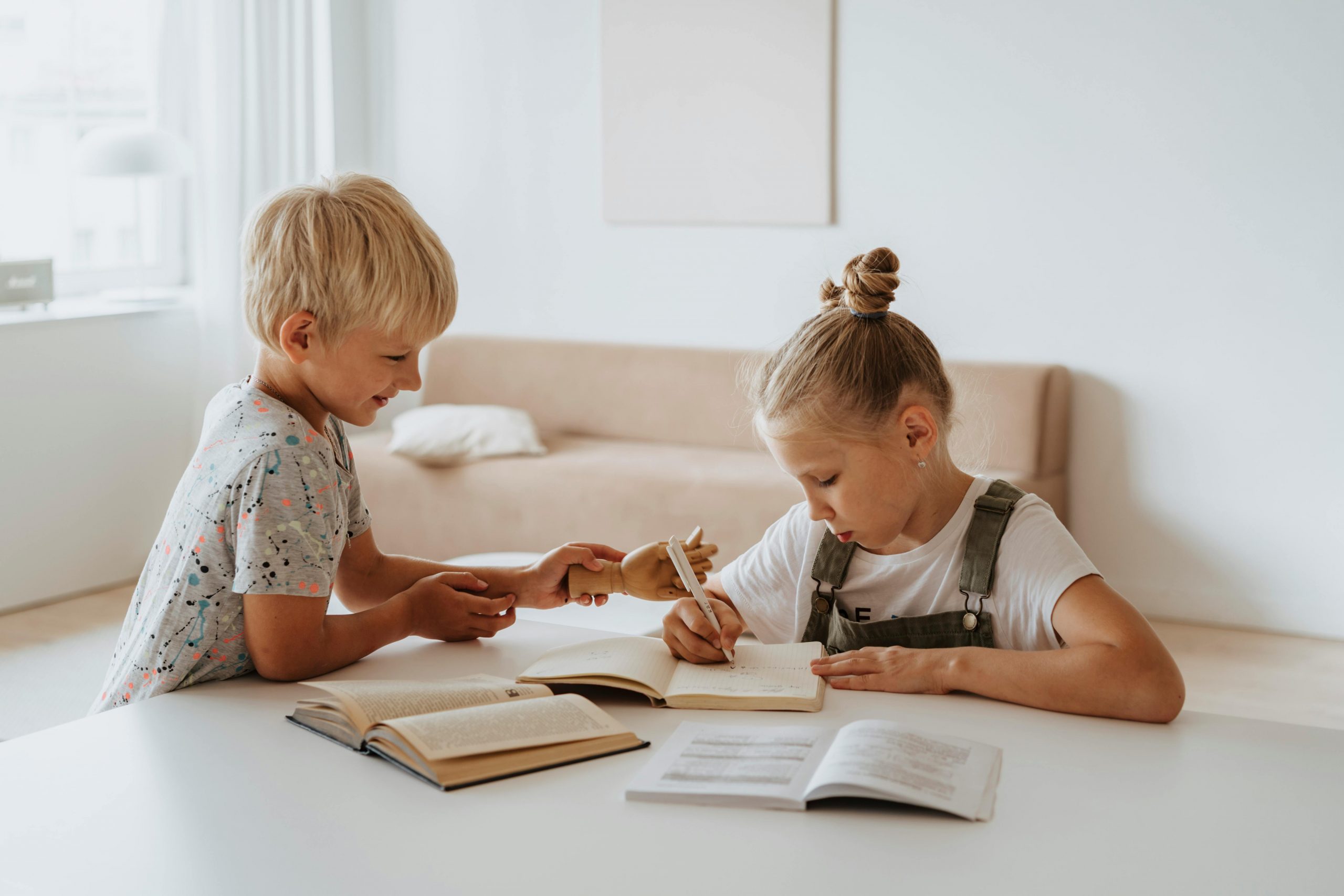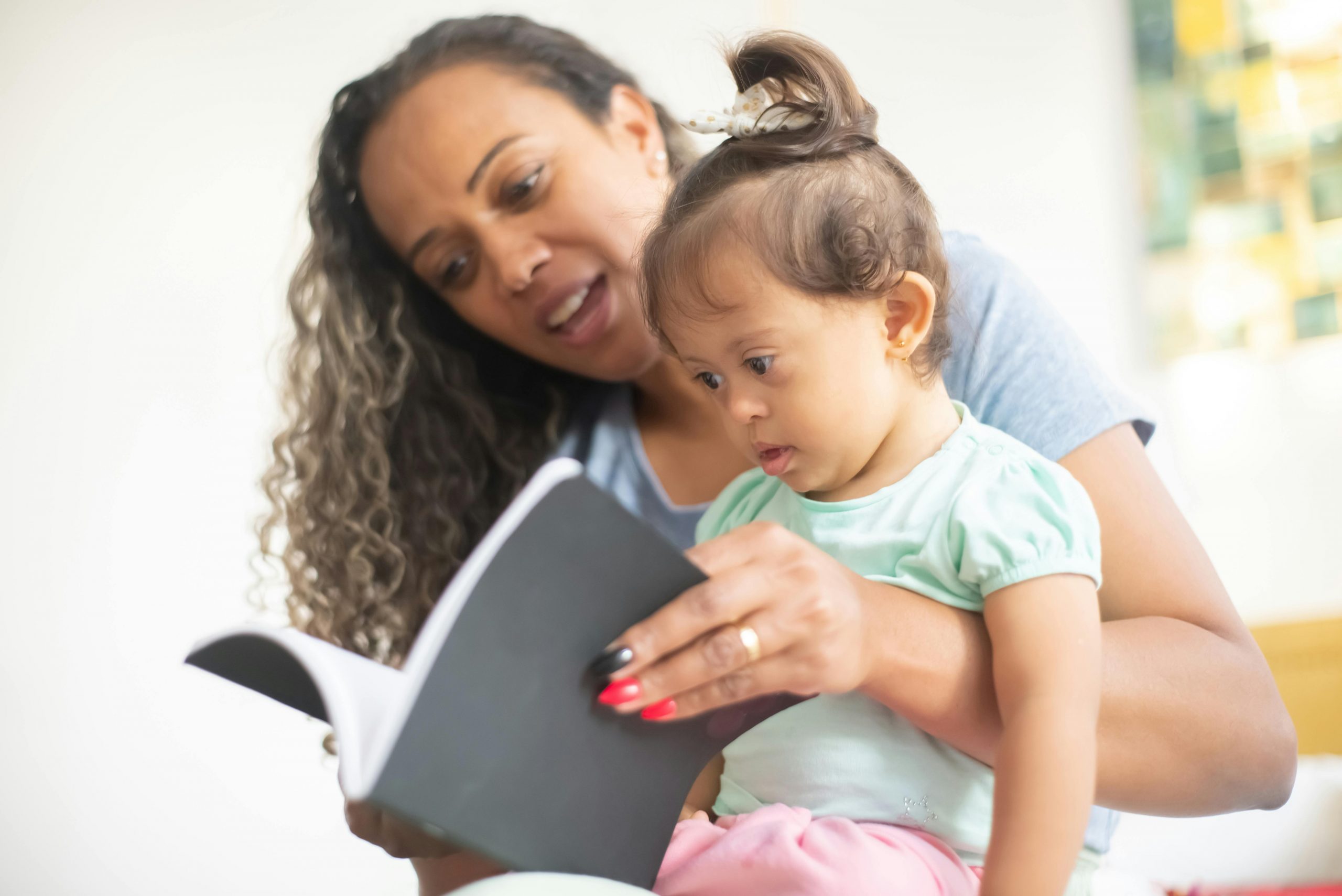
How to Teach Your Child to Read at Home (Step-by-Step for Parents)
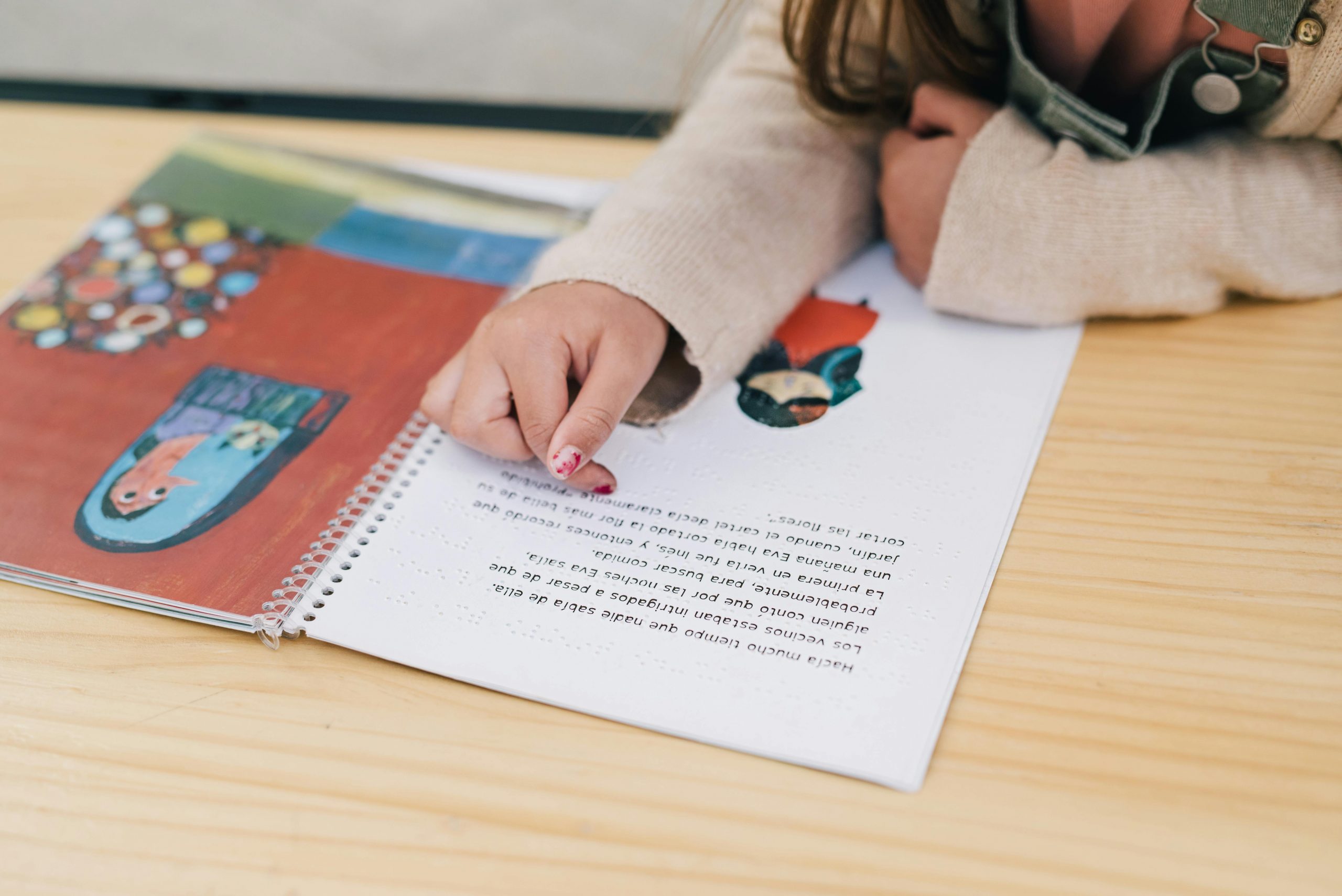
Teaching your child to read at home may feel overwhelming, especially if you’re not sure where to start. The good news is: you do not need to be a teacher, buy expensive programs, or spend hours each day to help your child become a confident reader.
With the right simple steps, consistency, and encouragement, you can successfully teach your child to read at home — even if they are struggling.
This step-by-step guide will show you exactly how to teach reading in a way that is fun, effective, and stress-free for both you and your child.
Step 1: Start With Letter Sounds (Not Letter Names)
One of the biggest mistakes parents make when teaching reading is focusing only on letter names.
Reading begins with letter sounds (phonics).
Your child must know:
- A says /a/
- B says /b/
- C says /k/
Practice 5–10 minutes daily reviewing letter sounds using:
- Flashcards
- Alphabet charts
- Singing phonics songs
- Writing letters in sand or on paper
Mastering letter sounds is the foundation of learning to read.
Step 2: Blend Sounds to Form Words
Once your child knows letter sounds, teach them how to blend.
Example:
C + A + T = cat
Say the sounds slowly, then faster:
/c/ /a/ /t/ → cat
Start with simple 3-letter words:
- cat
- dog
- sun
- hat
- map
This step is where reading begins to “click.”
Step 3: Teach Sight Words
Sight words are common words children should recognize without sounding out.
Examples:
- the
- and
- is
- you
- was
Practice 3–5 sight words per week using:
- Flashcards
- Writing them
- Finding them in books
- Sight word games
Sight words build reading speed and confidence.
Step 4: Read Simple Books Daily
This is where many parents stop too early. Practice is critical.
Use beginner reader books with:
- Short sentences
- Repeating words
- Large print
- Pictures for clues
Have your child read aloud for 10–15 minutes daily.
Do not rush them. Encourage them. Celebrate small wins.
Step 5: Ask Simple Questions After Reading (Comprehension)
Reading is not just saying words. It is understanding.
After reading, ask:
- What happened in the story?
- Who was the story about?
- What was your favorite part?
This builds reading comprehension early.
Step 6: Make Reading Fun (Not Stressful)
Children learn best when they feel relaxed and encouraged.
Try:
- Reading before bed
- Reading outside
- Acting out stories
- Using funny voices
- Letting them choose books
The goal is to help your child love reading, not fear it.
Step 7: Be Consistent (This Matters More Than Time)
You do not need an hour a day.
You need 15–20 minutes daily.
Consistency is what turns a struggling reader into a confident one.
Signs Your Child Is Making Progress
- They recognize letter sounds quickly
- They can blend simple words
- They recognize sight words
- They read simple sentences without help
- They understand what they read
Celebrate every milestone.
Final Encouragement for Parents
Teaching your child to read at home is one of the most rewarding things you will ever do. It takes patience, repetition, and encouragement — but it absolutely works.
You are more capable than you think.
And your child is more able than you realize.
Need Extra Support?
If you would like personalized help supporting your child’s reading, literacy, or foundational math skills, learn more about tutoring with Olisa Kids™.